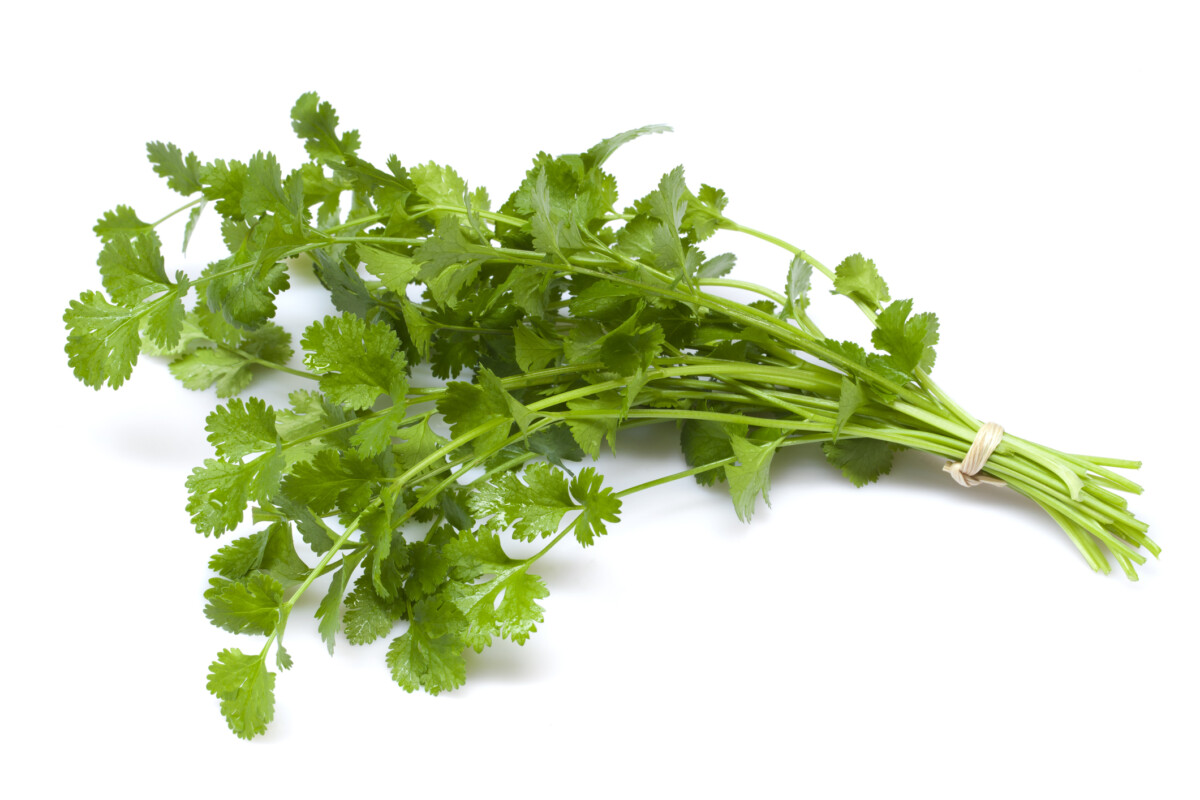
North Carolina has reported 952 cyclosporiasis cases since May 2026, including 32 hospitalizations, in data current as of September 15, 2026, according to the state Cyclospora dashboard. Most cases have been reported in Wake County, with 527. Cases began trending down at the end of August. NCDHHS says recent cases reported eating parsley and cilantro more often than expected, but no single food, brand, grower or supplier has been identified as the cause.
Pritzker Hageman’s food safety team is following the investigation and has published its own report on the North Carolina cyclospora outbreak.
How many people are sick in North Carolina?
NCDHHS currently reports 952 cyclosporiasis cases and 32 hospitalizations statewide since May 2026, in data current as of 8 a.m. on September 15, 2026. Wake County has the largest reported total, with 527 cases. The state separately reports 963 cases for the full 2026 calendar year, a wider count than the since-May outbreak figure.
Cases began trending down at the end of August, so NCDHHS moved from weekly updates to every-other-Tuesday updates. The true number of illnesses may be higher because Cyclospora can be missed if a clinician does not order the specific stool test needed to detect it.
You can read the state’s own summary in the NCDHHS update on cyclosporiasis in North Carolina and on the Division of Public Health’s cyclosporiasis case dashboard, which carries the current case count and is updated every other Tuesday.
What food is under investigation?
NCDHHS says recent North Carolina cases reported eating parsley and cilantro more often than expected when compared with population-wide food surveys. NCDHHS notes that past cyclosporiasis outbreaks were linked to fresh produce including lettuce, fruit and fresh herbs. No food has been confirmed as the source of the broader North Carolina increase.
Investigators use these food histories to identify patterns and guide traceback. A food appearing frequently in interviews is a clue, not proof that it caused the illnesses.
An epidemiologist with the NCDHHS Division of Public Health, told reporters on July 21 that “it’s likely, maybe probable, that there are multiple vehicles for cyclospora,” and that the outbreak is “not a single source or a single food product from a single company.” Fresh herbs and leafy greens are eaten raw, move quickly through the supply chain and are often mixed from several growers, which makes traceback slow and sometimes inconclusive.
Is this the same outbreak as the Taco Bell lettuce cases?
No, according to state health officials. NCDHHS says North Carolina’s broader increase in cyclosporiasis cases does not appear to be associated with the outbreak involving Taco Bell. However, CDC’s final federal update counted 21 states with illnesses linked to Taylor Farms de Mexico lettuce, and FDA’s list of those states includes North Carolina.
That means the two investigations overlap, but they are not the same. Some North Carolina illnesses were included in the federal lettuce outbreak, while the state’s much larger increase of 952 cases has not been attributed to a single source. The state and federal case totals therefore should not be added together. Our separate Taco Bell Cyclospora outbreak update covers the federal outbreak and its final case count.
CDC declared the Taylor Farms de Mexico lettuce outbreak over on September 11, 2026, after reporting 12,883 illnesses, 570 hospitalizations and two deaths. The implicated lettuce is no longer available in stores or restaurants. FDA continues investigating how the lettuce became contaminated.
What is cyclospora, and what are the symptoms?
Cyclospora is a microscopic parasite, Cyclospora cayetanensis, that causes an intestinal illness called cyclosporiasis. People get it by swallowing food or water contaminated with human waste, most often fresh produce that was irrigated or rinsed with tainted water and then eaten raw. The parasite usually needs days to weeks outside the body before it can infect anyone else, so it is rarely passed person to person. That same biology is part of why outbreaks are so hard to trace back to a specific field or shipment. Pritzker Hageman explains the illness and the legal questions it raises in its overview of cyclosporiasis and cyclospora lawsuits.
Symptoms usually start about a week after exposure, though the range runs from two days to two weeks or more. They include:
- Watery diarrhea, often frequent, which is the hallmark symptom
- Loss of appetite and unexplained weight loss
- Stomach cramps, bloating and increased gas
- Nausea and fatigue
- Vomiting, body aches, headache or low-grade fever in some people
Left untreated, symptoms can drag on for a month or longer and can come and go in waves. Over-the-counter anti-diarrheal medicine does not clear the infection. The standard treatment is a course of the antibiotic trimethoprim-sulfamethoxazole, sold as Bactrim or Septra. If you have had watery diarrhea that keeps returning this summer, ask your doctor specifically about testing for cyclospora, since it will not show up on a standard stool panel. The CDC’s clinical overview of cyclosporiasis covers testing and treatment in more detail.
How to protect yourself
- Follow the every-other-Tuesday NCDHHS updates and any warnings from your county health department while the investigation is open.
- Know that washing helps but does not guarantee safety. CDC says washing alone cannot guarantee that Cyclospora is removed. Food Poisoning Bulletin explains which common cleaning methods do not destroy Cyclospora and what does.
- Consider cooking or leaving out the items North Carolina has most recently flagged, which are parsley and cilantro. Cooking kills the parasite, and CDC says produce can be cooked to at least 158 degrees Fahrenheit.
- Wash your hands for 20 seconds with soap and water before eating or preparing food, after handling produce and after using the bathroom.
- See a doctor if watery diarrhea lasts more than a few days, and ask whether you should be tested for cyclospora.
- If you are diagnosed, hold on to your test results, receipts and a list of what you ate and where. That record matters if investigators later identify a source.
Do you have a cyclospora case?
When an outbreak is tied to a specific product, grower, grocery store or restaurant, the people who were sickened may be able to recover compensation for medical bills, lost wages and other harm. Early documentation is what makes a claim provable later, which is why it is worth understanding your rights while receipts and medical records still exist.
The food safety attorneys at Pritzker Hageman have represented clients in nearly every major U.S. cyclospora outbreak of the last decade. Their national cyclospora legal team will talk with you at no cost about whether you may have a claim, including whether you can sue a grocery store or restaurant for cyclospora. The firm’s Bad Bug Law Team handles these cases nationwide, and you can learn more about the firm’s food poisoning attorneys and their food safety litigation practice.
This is a developing investigation. The North Carolina case count is expected to keep moving as more test results come in, and we will update this page as state officials learn more about what is making people sick.