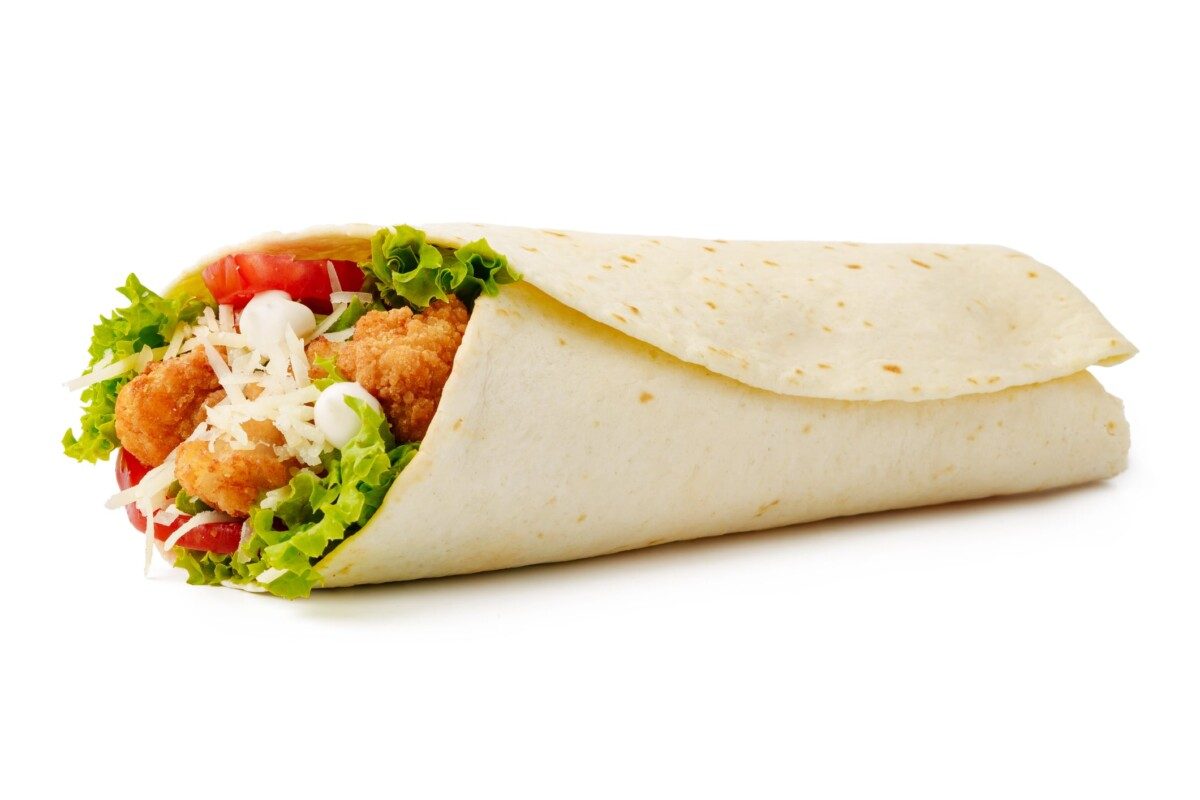
Federal food safety officials have linked an outbreak of E. coli O157:H7 that has sickened 38 people to ready-to-eat chicken wraps. The FDA’s outbreak investigation table, current as of October 7, 2026, says the vehicle has been identified as ready-to-eat multi-ingredient chicken wraps. The wraps were removed from the market before the link to the outbreak was confirmed, and FDA says they are no longer available for sale and are past their shelf life.
Investigators have not said which ingredient in the wraps was contaminated, and no brand, manufacturer, retailer or list of states has been made public. Pritzker Hageman’s food safety lawyers are following the investigation in their report on the chicken wrap E. coli O157:H7 outbreak.
What officials have confirmed so far
The outbreak first appeared in FDA’s table on September 23, 2026, under reference number 1421. The table lists the pathogen as E. coli O157:H7, the product as a multi-ingredient wrap with chicken, a total case count of 38, and both the investigation and the outbreak as active. The USDA Food Safety and Inspection Service tracks the same outbreak as its investigation 2026-04, because wraps that contain chicken are USDA-regulated.
According to FDA, the agency is working with USDA, CDC and state and local partners to find the source of the outbreak, including the possibility that a single ingredient was contaminated. FDA has also started an inspection, though it has not said where. The agencies have said they will issue a consumer advisory if they determine there is still an ongoing risk to the public and there are steps consumers can take.
The FSIS outbreak investigations page, last updated October 5, 2026, lists the wrap as the suspect product. FSIS says the wrap identified so far is past its shelf life and no longer available for purchase, and that it is working with FDA to identify the contaminated ingredient and whether that ingredient was used in other products.
Several important details have not been released by either agency as of those dates: the company that made the wraps, the brand name, where they were sold, the states where people became sick, and how many people have been hospitalized, developed kidney complications, or died. Neither agency’s outbreak listing names a recall.
Why a single ingredient matters
A ready-made chicken wrap is assembled from several components, often cooked chicken, lettuce or other fresh produce, cheese, sauce and a tortilla, and each one can come from a different supplier. That is why investigators are working at the ingredient level. If one contaminated ingredient is identified, the next questions are whether it also went into other foods and whether any of those foods are still in circulation.
Chicken wraps have been linked to E. coli O157:H7 before. In 2013, a California caterer recalled more than 180,000 pounds of ready-to-eat salads and wraps made with grilled chicken after illnesses in California, Washington and Arizona, as Food Poisoning Bulletin reported at the time in its story on the chicken salad and wraps recall. Pritzker Hageman wrote then about E. coli and HUS claims from ready-to-eat chicken salads sold in that outbreak.
What E. coli O157:H7 does
E. coli O157:H7 is a Shiga toxin-producing strain, often called STEC. The CDC lists the main symptoms of an E. coli infection as diarrhea that can be watery or bloody and stomach cramps that can be severe. Some people also have vomiting or a low fever. Pritzker Hageman explains the strain in more depth in its guide to E. coli O157:H7 infections.
The CDC advises calling a doctor for diarrhea or vomiting that lasts more than two days, bloody stool or urine, a fever higher than 102 degrees, or signs of dehydration, which can come on quickly in young children.
The CDC’s treatment guidance says antibiotics and anti-diarrheal medicines should not be used for a STEC infection, because they can increase the chance of a serious complication. Anyone who thinks they may have this kind of infection should talk with a health care provider before taking either.
The complication to watch for: HUS
Shiga toxin-producing E. coli can trigger hemolytic uremic syndrome, or HUS, which can lead to kidney failure, permanent health problems and death. The CDC calls HUS a medical emergency. Signs include peeing very little or not at all, losing the pink color in the cheeks and inside the lower eyelids, unexplained bruising or a rash of tiny red spots, blood in the urine, unusual tiredness or irritability, and decreased alertness.
Pritzker Hageman keeps a detailed list of the warning signs of hemolytic uremic syndrome, along with broader information on HUS and its long-term effects and on kidney failure after an E. coli infection. Parents can also read their guidance on what to do when a child has E. coli O157:H7.
Earlier E. coli outbreaks covered here, including the 2026 alfalfa sprouts outbreak and a 2024 outbreak in which two people developed HUS, show how quickly a STEC illness can become serious.
What to do if you got sick after eating a chicken wrap
- See a doctor if you have bloody diarrhea or any of the warning signs above, and tell them what you ate and when.
- Ask about a stool test for Shiga toxin-producing E. coli. A positive test is how an illness is counted in an outbreak, and it gives investigators the genetic fingerprint they use to match cases.
- Save any receipt, packaging, photo, delivery-app order or loyalty-card record that shows where and when you bought a prepared wrap. Because no brand has been named, these records may be the only way to tie an illness to a specific product later.
- Watch a sick child closely even if the diarrhea seems to be improving, and seek emergency care for any sign of HUS.
The wraps are past their shelf life, so they should not still be on store shelves. If you have a ready-made chicken wrap in your refrigerator and are unsure how old it is, throwing it out is the safe choice.
Can you sue after an E. coli infection from a chicken wrap?
Most people with a mild foodborne illness recover at home. The cases that lead to legal claims are the serious ones: a child who develops HUS, an adult hospitalized with kidney complications, lasting harm, or a death.
In this outbreak the company names are not yet public, and that is common early in an investigation. Once the contaminated ingredient is traced, the companies that may be responsible can include the ingredient supplier, the company that assembled the wraps, a distributor, and the store or restaurant that sold them. Identifying the supplier does not by itself clear the businesses that sold the product. Pritzker Hageman has written about when an E. coli lawsuit makes sense and about suing a grocery store for food poisoning.
Pritzker Hageman represents families nationwide in serious E. coli cases through its Bad Bug Law Team. More on their work is on the firm’s E. coli outbreak litigation page, and updates on this investigation will appear in their E. coli outbreak news coverage.