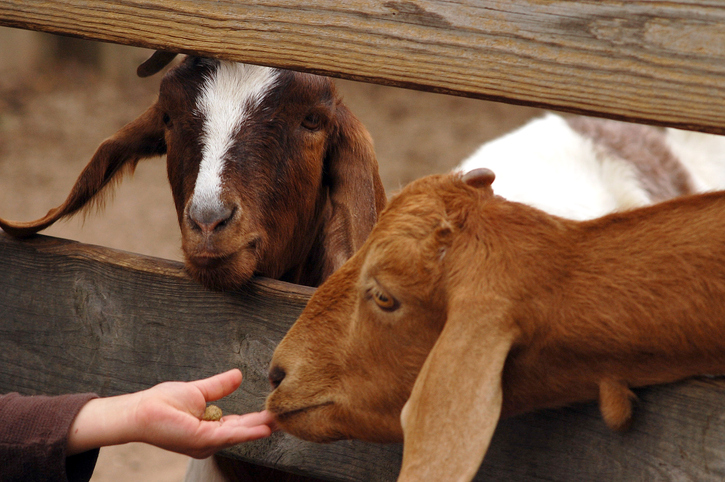
Dallas County Health and Human Services is investigating nine cases of Shiga toxin-producing E. coli (STEC) among people who attended the 2026 State Fair of Texas before becoming ill. The fair was held September 25 through October 18 at Fair Park in Dallas. Health officials are examining possible exposures at the fair, including visits to the petting zoo, as they work to identify the source of the infections.
Pritzker Hageman’s food safety lawyers are following the investigation in their report on the State Fair of Texas E. coli cases and the Dallas County investigation.
What health officials have said so far
The investigation began after doctors alerted Dallas County Health and Human Services to several patients with E. coli infections who had recently attended the State Fair of Texas. According to CBS News Texas, doctors identified visits to the fair as a possible common exposure, including time spent at the petting zoo. Health officials began reviewing laboratory reports and interviewing patients to investigate the connection.
By October 28, FOX 4 reported nine E. coli cases under investigation involving people of different ages from Dallas County and surrounding North Texas communities. Several patients had been hospitalized, including children who became seriously ill and required intensive care.
The State Fair of Texas said it was cooperating with health officials and that its animal exhibits followed CDC-recommended precautions. The fair also stated that it had not received verified information identifying the cause of the illnesses. KERA News reported on October 30 that investigators were continuing to examine the possible connection between the infections and the fair.
For continued coverage as the investigation develops, follow Food Poisoning Bulletin’s reporting on the State Fair of Texas E. coli illnesses. The publication covers foodborne illness outbreaks, public-health investigations, and food safety developments nationwide.
If someone in your family got sick after the fair
Anyone with severe symptoms should contact a healthcare provider and mention any recent contact with animals. Bloody diarrhea, severe stomach cramps, vomiting and signs of dehydration all call for prompt medical care, especially in young children. A stool test is what confirms an STEC infection and lets health officials connect a case to an investigation. You can also report an illness to Dallas County Health and Human Services or to your local health department.
It also helps the investigation to write down the days you went to the fair and what you did there, including any animal exhibits, rides and food, while the details are still fresh. Pritzker Hageman explains the incubation period for E. coli and other foodborne germs, which is why an illness can start days after a visit.
Why E. coli infections are dangerous for children
Young children are particularly vulnerable to complications from Shiga toxin-producing E. coli (STEC). According to the CDC, an STEC infection can lead to hemolytic uremic syndrome (HUS), a serious condition that damages the kidneys and can cause kidney failure. Some children who develop HUS experience permanent kidney damage and other long-term health problems.
HUS can develop several days after the initial E. coli symptoms begin, sometimes when diarrhea appears to be improving. Warning signs of HUS include decreased urination, unusual fatigue, and pale skin. These symptoms require immediate medical attention.
Pritzker Hageman has represented children who suffered severe kidney injuries following E. coli infections, including cases involving permanent damage and ongoing medical needs.
How E. coli spreads at fairs and petting zoos
Cattle, goats, sheep, and other farm animals can carry Shiga toxin-producing E. coli (STEC) without appearing sick. The bacteria can spread through animal waste and contaminate fences, railings, bedding, and other surfaces visitors may touch. According to the CDC, people can contract E. coli at animal exhibits even without touching an animal.
At large fairs, visitors may encounter several potential sources of exposure, including animal exhibits and food vendors. Health officials investigate E. coli illnesses by comparing patients’ activities, identifying common exposures, and analyzing laboratory results to determine whether infections are connected.
The source of the infections involving State Fair of Texas visitors remains under investigation. Identifying where an infection originated is also an important part of E. coli lawsuits involving petting zoos and animal attractions.
The CDC recommends washing hands after visiting animal exhibits and keeping food and drinks out of animal-contact areas. The agency’s guidance for animal exhibitors also addresses precautions operators can take to reduce the risk of infections.
Questions about a serious E. coli illness
When an E. coli infection leads to hospitalization, hemolytic uremic syndrome (HUS), permanent kidney damage, or the death of a loved one, the consequences can extend far beyond the initial illness. Families may face substantial medical expenses, time away from work, and concerns about future care.
People who develop serious E. coli infections may have a legal claim against the businesses responsible for the exposure. An E. coli lawsuit can seek compensation for medical expenses, lost income, pain and suffering, and other losses. An attorney can begin investigating a potential claim while public-health officials are still working to identify the source of an infection.
Pritzker Hageman’s Bad Bug Law Team represents people nationwide who have suffered serious injuries from E. coli and other foodborne pathogens. Our attorneys investigate how infections occurred, obtain evidence needed to establish legal responsibility, and pursue compensation for clients and families affected by severe illnesses.
For additional information about developing investigations, Pritzker Hageman also publishes E. coli outbreak news and legal updates.