Updated September 18, 2026. Happy Hens eggs have been recalled in the Salmonella outbreak first investigated at Ramona Family Naturals Market. The latest published total is 23 illnesses and seven hospitalizations. The investigation expanded after officials found related infections in people who had not eaten at the market and later identified a genetic link to Salmonella in the farm environment.
The California Department of Public Health’s (CDPH) September 11 advisory followed Happy Hens’ voluntary recall on September 8. Consumers should check their cartons against the affected handler code, lot numbers and sell-by dates below, then discard recalled eggs or return them for a refund.
For the farm-testing findings, recall details and legal considerations, read Pritzker Hageman’s Happy Hens egg recall and Salmonella outbreak report.
Egg Supplier Becomes Focus of Traceback Investigation
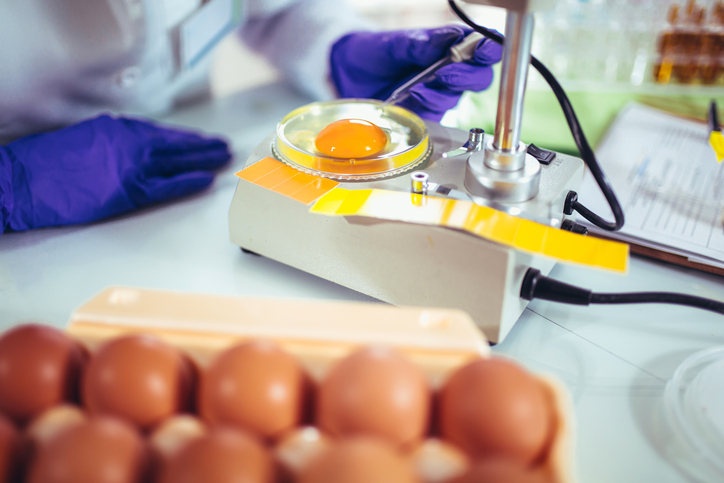
Happy Hens is now more than a supplier identified through traceback. FDA environmental testing found Salmonella in two of seven hen houses at the Ramona poultry farm, and genetic testing linked the Salmonella found there to strains recovered from people sickened in the outbreak.
Happy Hens supplied the raw shell eggs Ramona Family Naturals Market used to make mayonnaise. The deli stopped using raw, unpasteurized eggs after the outbreak was identified.
San Diego County says the investigation now involves eggs distributed by or purchased directly from Happy Hens. Testing of distributed eggs was still pending as of September 4.
Traceback matters because contaminated food can pass through several businesses before it reaches the person who becomes sick. Pritzker Hageman explains how food poisoning cases involving restaurants and suppliers may depend on laboratory evidence, purchase records, invoices, distribution information, and public-health findings.
What San Diego County reported
San Diego County now reports 23 illnesses and seven hospitalizations in the outbreak. Cases have been identified in La Mesa, Del Mar, Ramona and Jamul, with one additional case in Riverside County. No deaths have been reported.
The County first announced the outbreak on July 28, when 13 confirmed and probable illnesses and four hospitalizations had been identified. Investigators initially linked the illnesses to mayonnaise prepared at Ramona Family Naturals Market with raw, unpasteurized eggs. The mayonnaise was used in foods including chicken salads and Ramona Red Sauce.
By August 17, the outbreak had grown to 21 illnesses and seven hospitalizations. Investigators identified Happy Hens as the supplier of the raw eggs and reported that additional people infected with the same Salmonella strain had no known connection to Ramona Family Naturals Market.
The investigation expanded again after FDA testing at Happy Hens found Salmonella in two of seven hen houses. Genetic testing linked those farm samples to strains from ill San Diego County residents.
San Diego County says the California Department of Public Health shared the FDA results with Happy Hens and recommended that the farm voluntarily recall its eggs. As of September 4, no recall had been announced, and testing of eggs distributed by the farm was still pending.
Two Salmonella investigations are running at the same time. County officials have said this strain is not related to the multistate Salmonella outbreak linked to recalled shell eggs, according to KPBS coverage of the county announcement. The two events share an ingredient category but not a source, and we cover the national one separately in our report on the shell egg Salmonella outbreak. Pritzker Hageman keeps an archive of Salmonella outbreak news as separate investigations develop.
Why raw eggs in mayonnaise are a known hazard
Mayonnaise, aioli, hollandaise and Caesar dressing are often built around eggs that are never cooked. When a sauce like that is made with raw shell eggs, nothing in the recipe heats the egg enough to kill Salmonella, so bacteria that were present at the start are still present when the food is served. It is also why an uncooked egg sauce that a kitchen makes routinely can be connected to illnesses spread across several weeks rather than a single day.
The U.S. Food and Drug Administration addresses this directly in its egg safety guidance. For recipes that call for eggs that are raw or undercooked when the dish is served, FDA says to use shell eggs that have been treated to destroy Salmonella, by pasteurization or another approved method, or to use pasteurized egg products. A deli or restaurant that serves uncooked egg sauces to the public has a straightforward, well-known way to remove this risk, which is part of why outbreaks like this one draw legal scrutiny. Pritzker Hageman explains the questions that follow in its guide to whether you can sue a restaurant for food poisoning.
Salmonella symptoms to watch for
Salmonella symptoms commonly include diarrhea, fever, stomach cramps, nausea, and vomiting. Symptoms can begin within hours of exposure or may not appear for several days. Most people improve within about a week, but the severity and duration of illness can vary. Pritzker Hageman’s guides to Salmonella symptoms and how long they last and what salmonellosis is explain what infected people and their families should know.
Medical care may be needed for bloody diarrhea, a high fever, persistent vomiting or diarrhea, or signs of dehydration such as very dark urine, little or no urination, dry mouth, or dizziness. Young children, adults 65 and older, and people with weakened immune systems face a greater risk of serious illness.
Some Salmonella infections cause complications that continue after the initial gastrointestinal illness. The infection can spread beyond the intestines, and some patients develop prolonged diarrhea, bloodstream infections, or reactive arthritis. Pritzker Hageman also provides more information about Salmonella colitis, a serious inflammation of the colon that can cause severe abdominal pain, bloody diarrhea, and other complications.
What to do if you ate at the market and got sick
- See a healthcare provider and ask whether a stool test is appropriate. A laboratory-confirmed infection is what allows public health investigators, and later a lawyer, to connect an illness to a specific food.
- Report the illness to the county. San Diego County asks anyone who bought food at Ramona Family Naturals Market or its deli and developed symptoms, including people who have already recovered, to call the Department of Environmental Health and Quality at 858-505-6814 or email fhdepi@sdcounty.ca.gov.
- Throw away any mayonnaise or prepared deli food from the market that is still in your refrigerator.
- Keep your records. A receipt, a card statement, a loyalty account record or a photo of what you bought can matter later, both to investigators and to anyone who became seriously ill.
Do you have a case?
When a laboratory-confirmed infection can be traced to food sold by a specific business, the people who were seriously harmed may have a claim against that business and against others in the supply chain. That question is worth asking when an illness led to hospitalization, a long or complicated recovery, an infection that spread beyond the intestines, or the death of a family member. Seven of the 21 people counted in this outbreak have been hospitalized, which is a high proportion for a Salmonella outbreak of this size.
Pritzker Hageman’s Bad Bug Law Team represents people sickened in foodborne illness outbreaks across the country, not only in the state where an outbreak is announced. Their Salmonella attorneys explain what a claim involves and the reasons people file a Salmonella lawsuit, and they walk through how a restaurant food poisoning lawsuit actually works. You can also follow their ongoing food poisoning news coverage for updates as the San Diego County investigation continues.