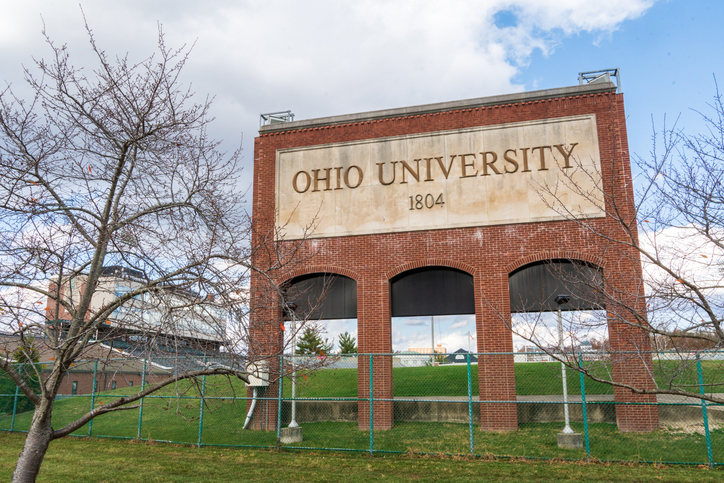
Health officials in Athens County, Ohio, are investigating an outbreak of Shiga toxin-producing E. coli (STEC) among Ohio University students. As of November 16, 2026, the Athens City-County Health Department reported 16 laboratory-confirmed cases on the university’s Athens campus. The university is posting updates on its OHIO Alert page.
The count has grown quickly. The health department announced four confirmed cases on November 11, a joint announcement with the university raised it to 11 on November 13, and the department reported 16 on the afternoon of November 16. The source of the infections has not been identified. Pritzker Hageman’s food safety lawyers are following the investigation in their report on the Ohio University E. coli outbreak investigation.
What health officials have said so far
In its November 16 update, the health department said early investigation details have confirmed consistent symptom onset dates among everyone with laboratory-confirmed illness. According to the Food Poisoning Bulletin, the health department is investigating whether there is a common exposure source by conducting student interviews.
As of November 16, neither the health department nor the university had publicly reported any hospitalizations, cases of hemolytic uremic syndrome (HUS) or deaths. The specific strain of E. coli has not been made public.
How the university is responding
According to the university, its facilities staff have increased cleaning and disinfection in residential, dining, academic and high-traffic spaces, and dining areas are cleaned after every meal. Food safety staff have walked through the university’s culinary facilities to review food safety procedures, and residence life staff have received additional guidance about E. coli. Neither the university nor the health department has publicly named a food, a dining location or any other source.
Anyone with symptoms should contact a health care provider. Students who are sick can also get help from the Dean of Students, including isolation housing and academic support.
STEC symptoms and when to get care
Shiga toxin-producing E. coli (STEC) can cause severe stomach cramps, diarrhea that may be bloody, nausea or vomiting, and a mild fever. The incubation period for an E. coli infection is usually three to four days, although symptoms can take up to 10 days to appear.
Seek medical care right away for bloody stool or urine, severe stomach pain, frequent vomiting, dehydration, or diarrhea lasting more than two days. Tell your provider about the Ohio University outbreak and ask whether a stool sample should be tested for STEC. Testing can help identify the infection and provide information for the outbreak investigation.
Some people with STEC develop hemolytic uremic syndrome (HUS), a serious complication that can cause kidney failure after an E. coli infection. HUS is most common in young children, but adults can develop it too. The warning signs of HUS after E. coli infection include urinating less often or not at all, unusual paleness, unexplained bruising, extreme tiredness, and reduced alertness. HUS is a medical emergency. Seek emergency care immediately if these signs appear.
To reduce the spread of illness, wash your hands thoroughly with soap and water and avoid preparing food for others while sick. Ohio University advises waiting at least 48 hours after the last episode of vomiting or diarrhea before preparing food for others or returning to in-person classes, work, or campus activities. Follow any additional instructions from your health care provider or the health department.
E. coli outbreaks on college campuses
College campuses bring large numbers of people together in shared dining halls, residence halls and events, so a single contaminated food or meal can reach many students at once. STEC can also spread from person to person when hands are not washed well, which is why health officials stress handwashing and keeping sick people out of food preparation. This is not the first university outbreak of its kind: Pritzker Hageman covered an E. coli outbreak at the University of Arkansas in 2023.
When Should Students and Families Speak With an E. coli Lawyer?
If you or your student became seriously ill during the Ohio University outbreak, you can speak with an E. coli outbreak lawyer while the health department investigates. You do not need to know what caused the infection before that conversation. A lawyer can help preserve evidence now, including campus meal-plan records and dining receipts that can show where and when a student ate.
Pritzker Hageman’s Bad Bug Law Team represents people nationwide whose E. coli infections have led to hospitalization, hemolytic uremic syndrome (HUS), or lasting kidney damage, as well as families who have lost a loved one. Our attorneys compare laboratory results and public health findings with a student’s illness timeline and dining history to investigate where the exposure occurred. When the evidence liability, an E. coli lawsuit can help a student recover compensation for medical bills, future care, lost income, and pain and suffering.