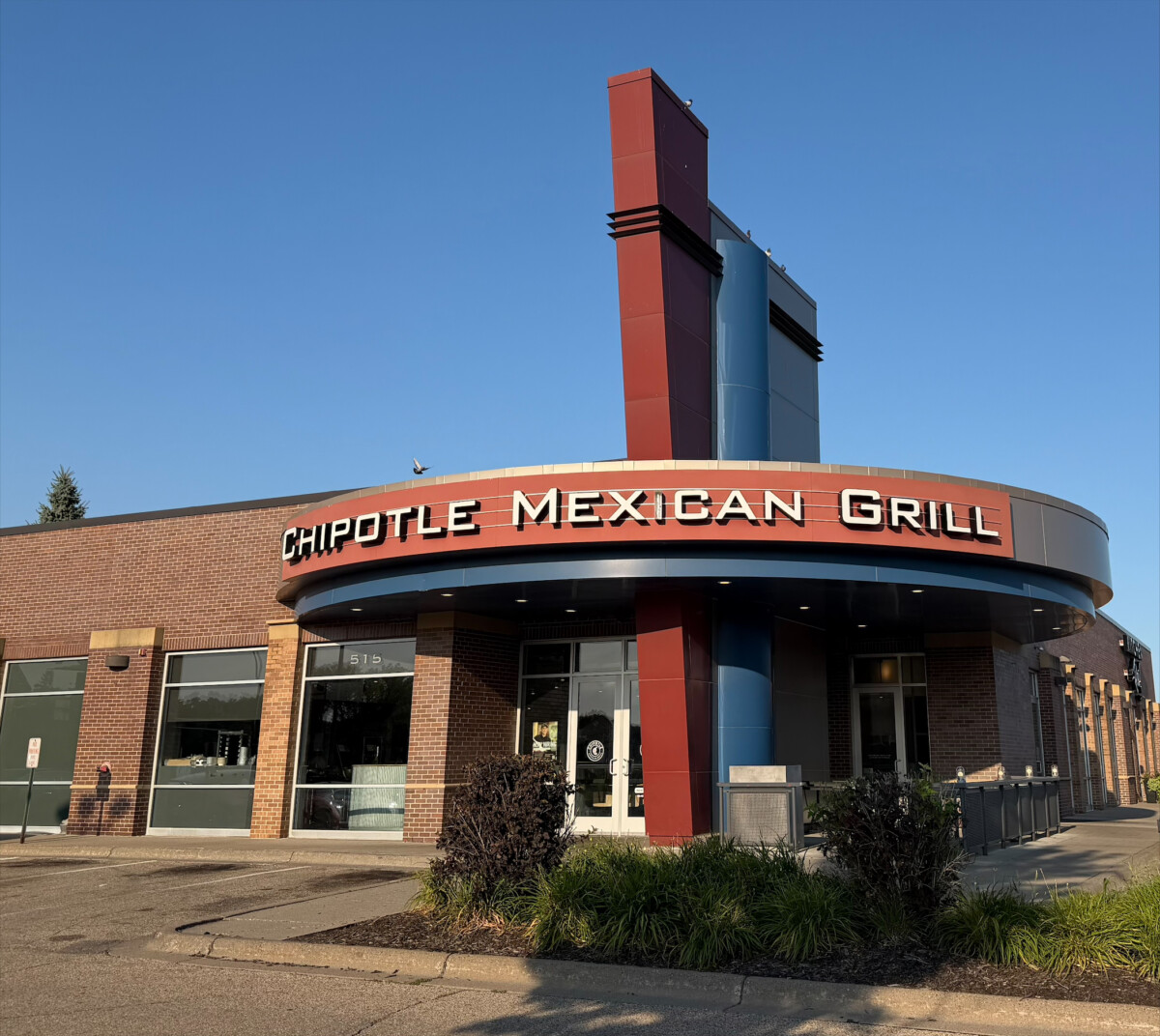
Federal investigators have identified the source of the Salmonella Javiana outbreak that began with illnesses reported at Chipotle and other Mexican-style restaurants. The Centers for Disease Control and Prevention (CDC) and the U.S. Food and Drug Administration (FDA) now link the outbreak to fresh jalapeno peppers grown in Sinaloa, Mexico and distributed by Coast Citrus Distributors. As of the August 21, 2026 updates from both agencies, 431 people in 32 states have been infected with the outbreak strain, 57 have been hospitalized, and no deaths have been reported. Coast Citrus Distributors has agreed to recall the jalapenos linked to the outbreak. Pritzker Hageman food safety attorneys are tracking the case in their report on the jalapeno Salmonella outbreak.
This post was updated on August 23, 2026 with the case counts CDC and FDA published on August 21, 2026. A previous version reported 345 illnesses in 27 states, which was the count in the agencies’ August 5 and August 6, 2026 updates, and the first version reported 110 illnesses in Minnesota with no product identified, which was the state of the investigation on August 5, 2026.
What CDC and FDA have confirmed
CDC’s outbreak notice, Salmonella Outbreak Linked to Jalapenos, posted August 5, 2026 and updated August 21, 2026, states that epidemiologic and traceback data show jalapeno peppers from Sinaloa, Mexico and distributed by Coast Citrus Distributors are the source of the outbreak. CDC continues to list the investigation status as open and records that a recall has been issued. CDC describes the August 21 counts as 86 new cases, 21 new hospitalizations and five new states since its previous update.
FDA’s advisory, Outbreak Investigation of Salmonella: Jalapeno (August 2026), with a current update dated August 21, 2026, reports the following:
- 431 people infected with the outbreak strain, reported from 32 states
- 57 hospitalizations and zero deaths
- Illnesses began between June 19, 2026 and August 2, 2026
- Of 224 people interviewed, 203 (91 percent) reported eating at a Mexican-style restaurant before becoming ill, with meal dates from June 14 to July 16, 2026
- Investigation status: ongoing
Pritzker Hageman’s Salmonella outbreak FAQ explains how traceback investigations reach a conclusion like this one, and the firm keeps a running archive of Salmonella outbreak news as agencies publish updates.
The recall and the restaurants that served the peppers
FDA recommended that Coast Citrus Distributors conduct a recall, and the company agreed to recall the implicated jalapenos. According to FDA, Coast Citrus Distributors supplied distributors, wholesalers, restaurants and food service companies nationwide, and does not appear to supply jalapenos directly to grocery stores. FDA’s investigation remains ongoing, and additional recalls have since been announced by companies that used the recalled peppers as an ingredient or repackaged them. Pritzker Hageman maintains a page on Salmonella recall information.
On August 20, 2026 FDA opened a Major Product Recalls page for foods made with the recalled peppers. With content current as of August 20, 2026, it lists recalls by NatureBest Precut and Produce LLC on August 8 (NatureBest and HEB pico de gallo, stuffed mushrooms and soup mix), Taylor Fresh Foods on August 9 (Trader Joe’s, Freshness Guaranteed and other dips, salsa and guacamole), Salata Dressings on August 11 (Salata jalapeno avocado dressing), Whole Foods Market on August 12 (dips, salsa, guacamole and similar items) and Dairyland Produce LLC on August 12 (five pound packs of jalapeno peppers). USDA’s Food Safety and Inspection Service has also issued a public health alert for meat and poultry products containing the peppers. Because the jalapenos reached households as an ingredient rather than as loose produce, check the recall notices for the finished products in your refrigerator rather than looking for the pepper itself.
FDA reports that Chipotle and QDOBA both received product imported by Coast Citrus Distributors from Sinaloa, Mexico. Chipotle switched its jalapeno supplier for affected stores beginning July 20, 2026, and QDOBA stopped using jalapenos in its restaurants on July 28, 2026. Because those steps removed the product, CDC and FDA have said they do not consider there to be a current ongoing risk to consumers from these restaurants. That is guidance about eating at those restaurants today. It is a food safety statement, and it does not resolve who may be legally responsible for illnesses that already happened.
Identifying the distributor narrows the primary focus of an investigation, but it does not by itself end the question of responsibility for the businesses that served or sold the product. Food Poisoning Bulletin is tracking the jalapeno Salmonella outbreak as the distribution picture develops.
What this means in Minnesota
Minnesota was where this outbreak first surfaced publicly. As of August 4, 2026, the Minnesota Department of Health (MDH) had reported 110 illnesses in the state, described in statements to news organizations rather than in a formal press release. MDH has not posted an outbreak announcement on its own salmonellosis page. Minnesota case numbers reported at that time predate the national figures above, and the state total may have changed since.
Minnesota has a long record of solving outbreaks through patient interviews and laboratory work. Our earlier coverage of a Minnesota E. coli outbreak traced to carrots shows the same pattern that led investigators to the jalapenos here.
Salmonella Javiana symptoms and who is most at risk
Salmonella Javiana is one of many types of Salmonella bacteria that cause people to become ill from contaminated food. Pritzker Hageman explains how Salmonella bacteria cause illness and why the specific type matters, since whole genome sequencing of the bacteria is what allows a state laboratory to link illnesses that otherwise look unrelated.
According to the CDC’s page on Salmonella signs and symptoms, illness usually begins 6 hours to 6 days after infection and lasts four to seven days. Symptoms include diarrhea that may be bloody, fever, stomach cramps, nausea and vomiting. CDC advises contacting a healthcare provider for diarrhea with a fever higher than 102 degrees, diarrhea for more than three days that is not improving, bloody diarrhea, vomiting so severe that liquids cannot be kept down, or signs of dehydration such as little or no urination, a dry mouth and throat, or dizziness on standing. Children under five, adults 65 and older, and people with weakened immune systems are the most likely to become severely ill.
A small share of infections spread from the intestines into the blood, bones, joints or the membranes around the brain, and some patients later develop reactive arthritis, joint pain that can persist for months or years. Pritzker Hageman’s guide to Salmonella symptoms covers how long symptoms usually last, and the firm also explains what happens when a Salmonella infection turns fatal.
What to do if you got sick after eating out
- See a healthcare provider and ask whether a stool test is appropriate. A laboratory-confirmed infection is what allows health officials to connect your illness to this outbreak through genetic fingerprinting.
- Write down where and what you ate in the week before symptoms started. Jalapenos are an ingredient rather than a menu item, so the restaurant and the date matter more than what you remember ordering.
- Keep receipts, card statements, delivery records and restaurant app or loyalty account history. Digital order history is often the clearest record of a specific meal on a specific date.
- Answer the call if your local public health agency contacts you. Those interviews are how investigators confirmed the source in this outbreak.
Do you have a Salmonella case?
A claim generally becomes possible once a laboratory-confirmed infection can be traced to food sold by an identifiable business. Now that CDC and FDA have named the product and the distributor, the record that matters most for an individual claim is still the stool culture result and proof of the meal, so preserving both protects a claim that may not be filed for some time.
Because the peppers moved through a distributor to many restaurants and food service companies, people were exposed through more than one channel. Anyone sickened after eating jalapenos at a Mexican-style restaurant during the outbreak period may have a claim, whether or not the restaurant has been named publicly.
Talking to a food safety lawyer sooner rather than later is important if an illness led to hospitalization, an infection that spread beyond the intestines, a long recovery, or the death of a family member. Pritzker Hageman’s Bad Bug Law Team represents people sickened in foodborne illness outbreaks nationwide, in Minnesota as in any other state. The firm’s Salmonella attorneys outline the reasons people file a Salmonella lawsuit, their Salmonella legal team has handled outbreaks like this one for decades, and their food poisoning attorneys post updates as investigations progress.