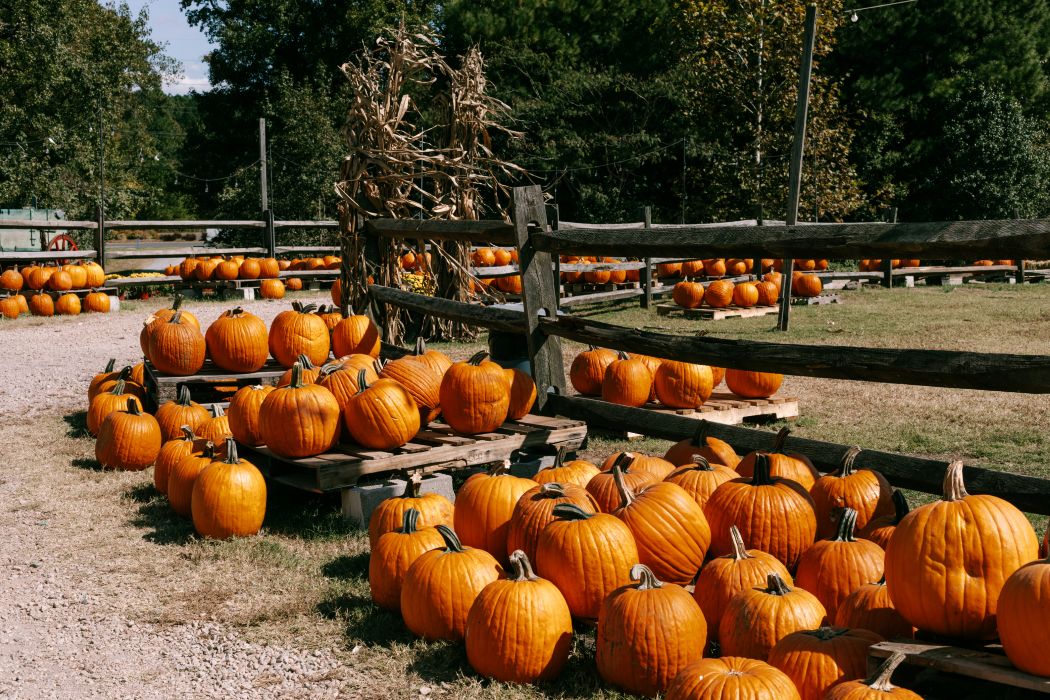
The Will County Health Department has identified a baby goat at the petting zoo of Bengtson’s Pumpkin Farm in Homer Glen, Illinois, as the likely source of an outbreak of Shiga toxin-producing E. coli (STEC). In findings released November 10, 2026, the department said whole genome sequencing found that bacteria from one baby goat were closely related to the bacteria from people who became sick. It now counts seven laboratory-confirmed STEC cases and 159 probable cases among visitors. The department announced the investigation on October 23, 2026, when five cases had been confirmed.
The farm voluntarily closed its petting zoo when the health department first contacted it and later arranged for a veterinarian to collect samples from the animals, the department said. Pritzker Hageman’s coverage of the E. coli outbreak investigation involving Bengtson’s Pumpkin Farm visitors in Homer Glen follows the department’s findings.
What health officials have reported so far
Four of the first five confirmed patients were hospitalized, according to October 23 reporting by the Chicago Tribune, citing Will County Health Department officials. The patients range in age from 4 to 38, as ABC7 Chicago reported. They live in Cook, DuPage, Kane and Will counties.
On October 27, FOX 32 Chicago reported that health officials had received approximately 200 visitor surveys and collected samples from animals, bedding and other surfaces for laboratory testing.
In its November 10 findings, the department said it received 270 survey responses from visitors who reported symptoms. Two more confirmed cases were identified after it reviewed them, and 159 respondents were classified as probable cases: people with a link to the farm and qualifying symptoms who were not tested. Samples from several petting-zoo animals tested positive for STEC, and the department found no concerns with food service at the farm. It is working with the Illinois Department of Public Health to monitor for additional cases in the coming weeks. Food Poisoning Bulletin has more on the findings.
How can people get E. coli at pumpkin farms and petting zoos?
People can become infected with Shiga toxin-producing E. coli through contact with animals, contaminated surfaces, food or water. Cattle, goats, sheep and other farm animals can carry STEC bacteria without appearing sick.
The bacteria are shed in animal feces and can contaminate bedding, soil, fences, railings and other surfaces. Visitors do not need to touch an animal to become infected. Bacteria transferred to the hands can enter the body when someone eats or touches their mouth.
Previous investigations involving E. coli infections associated with petting zoos and animal attractions have demonstrated the importance of examining both direct animal contact and exposure to contaminated environments.
What are the symptoms of E. coli after visiting a pumpkin farm?
STEC infections commonly cause stomach cramps, diarrhea that may become bloody, and vomiting. Some people also develop a low fever.
Symptoms typically begin three to four days after exposure, although the incubation period for E. coli infections can range from one to ten days.
Some infections lead to hemolytic uremic syndrome (HUS), a serious complication that can damage the kidneys. Young children are particularly vulnerable. The warning signs of hemolytic uremic syndrome following an E. coli infection include decreased urination, unusual fatigue, pale skin and unexplained bruising.
Anyone experiencing symptoms after visiting the farm should contact a healthcare provider and mention the visit. Signs of HUS require immediate medical attention.
How can visitors report an illness after visiting Bengtson’s Pumpkin Farm?
The Will County Health Department’s confidential illness survey for visitors drew 270 responses and has now closed. Anyone who became ill after visiting Bengtson’s Pumpkin Farm should contact a healthcare provider and mention the visit.
Health officials use information from visitor surveys, medical testing and environmental samples to investigate potential connections between illnesses. Details about visit dates, symptoms and activities can help investigators examine possible sources of exposure.
Why is documentation important after a serious E. coli infection?
Medical records, laboratory results, admission tickets, receipts and photographs can help establish when an illness developed and whether it is connected to an outbreak.
These records are also important when evaluating a potential legal claim. For people who became seriously ill, investigating a potential E. coli claim after visiting Bengtson’s Pumpkin Farm involves examining available public health findings, exposure histories, medical records and other evidence connecting the illness to a possible source.
An independent legal investigation can also examine whether the circumstances of an infection support a claim for compensation.
Legal help after a serious E. coli infection
An E. coli lawsuit may provide a way to recover compensation for medical expenses, lost income, pain and suffering, and long-term health complications when evidence establishes legal responsibility for an infection. Medical records, laboratory results, public health findings, and evidence of contamination can all play an important role in establishing a claim.
Pritzker Hageman’s Bad Bug Law Team represents people nationwide who have suffered serious foodborne illnesses, including E. coli infections associated with petting zoos and animal attractions. The firm’s E. coli lawyers investigate sources of infection, identify potentially responsible parties, and pursue compensation for those affected. The firm also provides ongoing coverage of E. coli outbreak investigations.